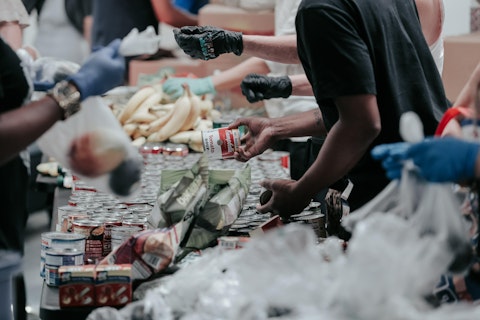
Modern slavery in food banks and warm banks
The Clewer Initiative
Food bank usage soars
The number of vulnerable people seeking support from food banks has increased by 51% over the last five years. This is a phenomenal uplift. According to the Trussell Trust, in 2024/5, 2.9 million parcels were given out by 1,711 food banks in its network. This is equivalent to one parcel every 11 seconds.
Food banks continue to provide for people in severe hardship and many report they are witnessing extremely high levels of food poverty and a more prolonged level of desperation. Sadly, pressure on people often increases in winter and many face the dreadful decision of whether to spend money on food or energy.
Evolution of warm banks
In response to this need, many councils, churches and community organisations have opened up 'warm banks'. In addition to the myriad of food banks, food pantries, soup kitchens and community drop-in cafes, these hubs are a brilliant way for people to gather and stay warm. Sometimes, however, these initiatives, which churches are often at the forefront of, are proving a rich picking ground for criminal gangs looking for vulnerable people to exploit.
When we meet food bank volunteers, we find very few have had modern slavery training. This must change so we ensure vulnerable people in food banks are not targeted by criminal gangs.
Fighting modern slavery at your food bank or warm bank
It is therefore vital that everyone involved – managers, volunteers and users – are aware of the tactics used by criminal gangs and the signs to look out for. The Clewer Initiative has specially designed resources for use in food banks to raise awareness of modern slavery amongst volunteers and victims.
If you are involved in a food bank or warm bank, please download our resources and tell your colleagues.
We must ensure modern slavery is at the forefront of our minds as we run these vital social action projects this winter.
