A reflection for Advent
The Clewer Initiative
“Jesus’ mother Mary was pledged to be married to Joseph, but before they came together, she was found to be pregnant through the Holy Spirit. Because Joseph her husband was faithful to the law, and yet did not want to expose her to public disgrace, he had in mind to divorce her quietly.” (Matthew 1:18-19)

The Christmas story is primarily a story of hope. The angels declare to the shepherds that they have “good news of great joy ... for all people.” Their news is that a Saviour has been born into the world to bring salvation and light. This is rightly our focus at Advent.
However, if you dig a bit deeper, the Christmas story also contains a shadow side. We notice three ways in which the Christmas story connects with and reminds of the plight of modern slavery victims.
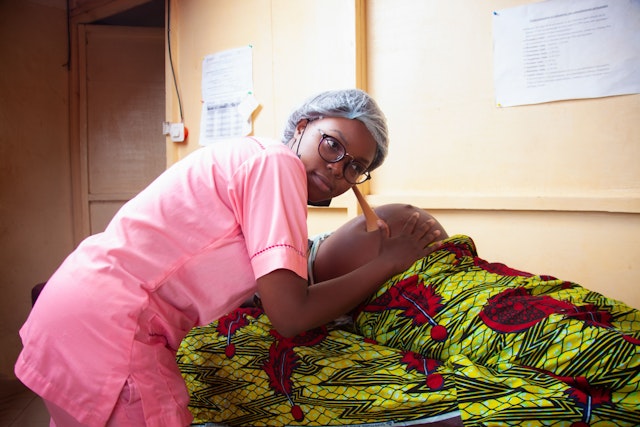
- We see a vulnerable woman – far from home, navigating birth on her own. Mary is young and unmarried, facing an unplanned pregnancy and with the possibility of being abandoned by her betrothed. She delivers her baby in a stable, without a community of friends, and in frightening circumstances. This reminds us of the many victims of modern slavery who end up pregnant in the UK, navigating the 9-months of pregnancy and labour plus all the emotions and challenges of first-time motherhood in a language and country they are unfamiliar with.
- We see the value of a precious friendship – in God’s kindness, He gives Mary a friend, Elizabeth, to walk alongside her. Whilst her pregnancy is unexpected, there is one person who she can confide in and find support with. The Gospel of Luke suggests Mary stays for Elizabeth’s final trimester – this must have been a treasured time of comfort and fellowship and practical learning about pregnancy and the birth she will face. This shows the impact that one person can make, in the life of a vulnerable woman, by being present and offering the simple gift of friendship.
- We see a refugee family - post birth, Joseph is warned that Herod is determined to kill Jesus so he leads his family away from their home country and towards Egypt. They become refugees – on the move, presumably jobless and unable to communicate with locals. Like many refugees today, they would be at the mercy of local residents for some time.
As we reflect on our Saviour’s arrival in this world, isn’t it curious that he chose to be born into such circumstances? We can rejoice with the angels that we have a Saviour who truly understands the suffering in our world, and in particular, aspects of the suffering faced by many victims of modern slavery.
Jesus is familiar with the heartache and sorrow of abandonment, poverty, trauma and uncertainty because He faced it himself. As the prophet Isaiah says: “He was despised and rejected by mankind, a man of suffering, and familiar with pain. Like one from whom people hide their faces he was despised, and we held him in low esteem.”
As we reflect on the Christmas story and the vulnerability of Jesus and his parents, we
- think of those who are in similarly precarious situations nowadays
- ponder the opportunities we may have to cross paths and connect with families on the edge. This may be in our churches, social action projects or through our workplaces.
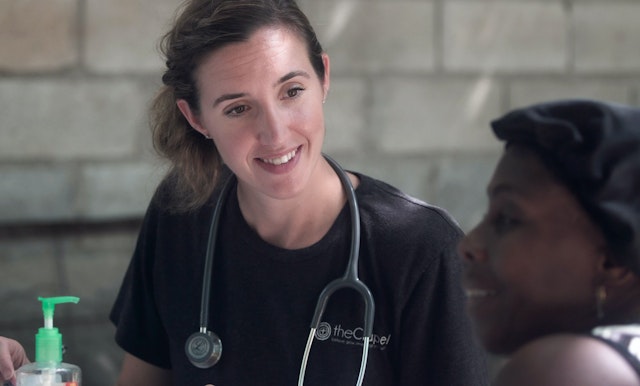
- pray for healthcare professionals who may encounter victims of modern slavery in their role.
In one study, more than two thirds of modern slavery survivors had presented in healthcare settings whilst or shortly after being trafficked.