Modern slavery and pregnancy
The Clewer Initiative
Pregnancy is a time of increased vulnerability for all women.
However, if you are a victim of modern slavery who is pregnant, the experience is even more traumatic, particularly if the father of the baby is your captor.
In this time of heightened risk and vulnerability, many victims of modern slavery feel so alone and miserable that they contemplate suicide.
A few years ago, Hestia published a report Underground Lives: Pregnancy & Modern Slavery looking at the experience of female victims in London. It revealed that
- 2 in 3 women received no antenatal care before coming to Hestia.
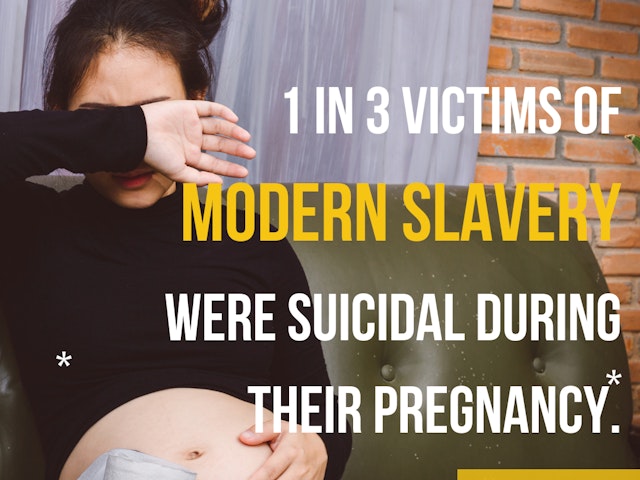
- 1 in 3 women were suicidal during their pregnancy.
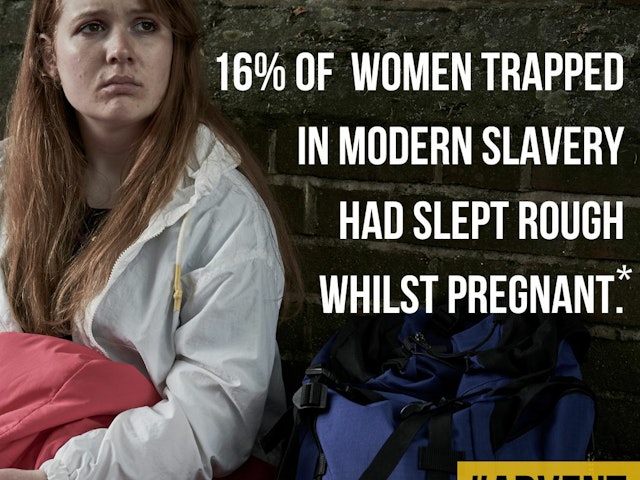
- 16% of women had slept rough whilst pregnant
- 4 in 5 women were estranged from their families at a time they craved the support of their own mothers.
Many of the pregnant women reported feeling isolated, with feelings of shame and fear of honour-based violence preventing them from reconnecting with their families.

The role of the NHS in providing antenatal care and mental health support for pregnant victims of modern slavery is vital. It is also critical that frontline medical professionals are equipped to know how to care for extremely vulnerable and traumatised women.
Because of the lack of knowledge in this area, the University of Nottingham (School of Health Sciences and Rights Lab) and Causeway were awarded funding by NIHR and The Salvation Army to carry out research exploring how best to provide maternity care and support for survivor mothers and their babies. They brought together experts in maternity, mental health, and modern slavery, alongside survivor mothers and a specialist service supporting survivors of modern slavery.
Having collaborated widely, the team co-created a set of recommendations and infographic resources designed to support survivor mothers in making informed decisions and to guide those providing care and support throughout the maternity journey.
Dr Sara Borrelli, an Associate Professor in Midwifery at School of Health Sciences, University of Nottingham, who led the research, explains: “We hope that the project’s recommendations and resources will lead to improved maternal health and well-being, while reducing the potential for re-traumatisation during care. In doing so, we aim to build trust and encourage greater engagement with both statutory and non-statutory services, enhance maternal and infant health outcomes, increase survivor satisfaction with maternity services, and strengthen collaboration between agencies.”
The findings, recommendations and resources will be shared at an end of project webinar on Wednesday 14th January 2026, from 12:30 to 13:30.
IF YOU ARE INTERESTED IN HEARING MORE, CLICK ON THE LINK BELOW TO JOIN THE WEBINAR VIA MS TEAMS:
________________________________________________________________________
Microsoft Teams Need help?
Meeting ID: 373 852 888 579 0
Passcode: Lq73RS9A