Nine steps to protect children from online grooming
Claire Walford
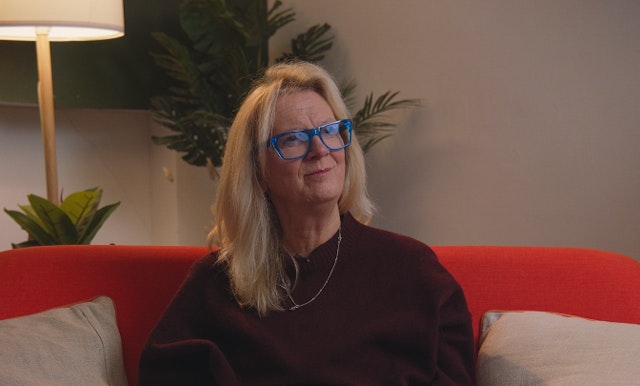
We interviewed Tony Dunkerley for our new course, Children in the Shadows Revisited, and he shared nine tips for protecting children online.
Tony is a former UK detective and international advisor on investigating human trafficking. He is passionate about raising awareness of modern slavery, particularly amongst the next generation, and has delivered free assemblies and workshops on human trafficking and online safety to more than 3,000 children in the UK, Nigeria and Serbia.
Tony suggested nine straightforward steps to take which can help protect our children online:
- Talk openly about what happens online - both the good and the bad.
- Talk about healthy relationships, boundaries, and consent - online and offline.
- Ensure children and young people are not on social media platforms under the appropriate age.
- Ensure profiles are set to private.

- Understand the risks of false profiles online, and the bad intentions of some internet users.
- Opt out of public chat room functions.
- Tell children not to share their full name, school, home address, or phone number online, and avoid posting photos or videos in school uniform or that reveal a location.
- Encourage children not to share passwords, even with close friends and to remember that once something is online, it can be copied or shared forever.
- Talk about what action to take if you are concerned you are being groomed online